





Integrated R&D and Manufacturing! Haoyou Adhesives has established a comprehensive testing and R&D system to build a solid foundation for product quality.
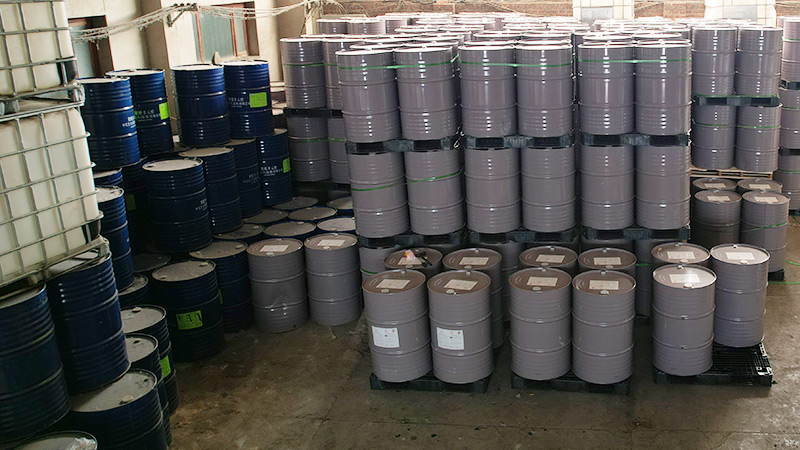
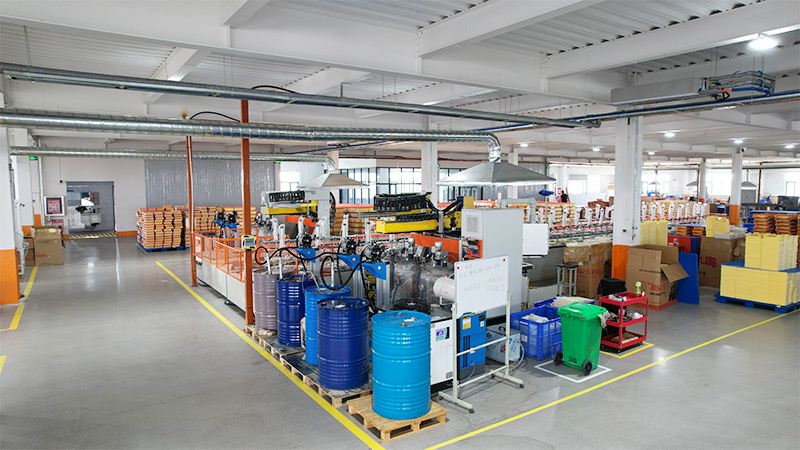
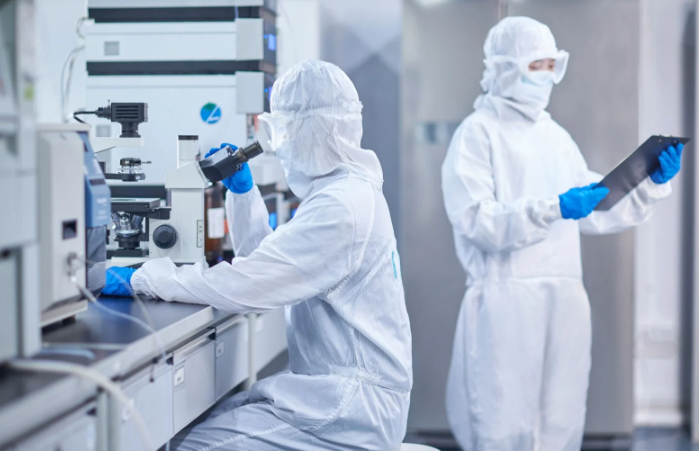
To continuously strengthen its core product competitiveness, Haoyou Adhesives has continuously upgraded its end-to-end production and R&D system, establishing a closed-loop operating platform integrating raw material R&D, large-scale mass production, and precision performance testing. Leveraging robust R&D capabilities, it develops polyurethane supporting materials compatible with a full range of filters, earning broad recognition from downstream automotive manufacturers and filter producers.
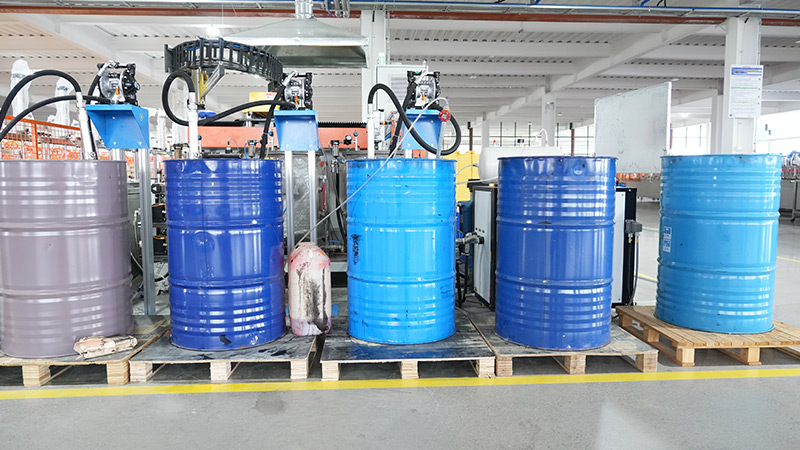
In recent years, environmental protection and performance standards in the industry have continued to rise, and a single production and processing model can no longer meet customers' customized, high-standard requirements. To address this, the company has continued to increase equipment investment, introducing automated polyurethane synthesis production lines, high-precision mechanical testing instruments, and environmental composition analysis equipment in batches, together with an independent standardized R&D laboratory. Around-the-clock testing is conducted on PU adhesive curing strength, high- and low-temperature resistance, sealing performance, and environmental indicators. From incoming raw material screening, formulation laboratory trials, and pilot-scale mass production to final product reinspection before shipment, every product undergoes multiple rounds of performance validation, with complete data retained and archived to enable traceable quality control throughout the entire process.
The company focuses on the R&D and production of polyurethane materials for filter applications. Supported by its comprehensive R&D platform, it has developed a complete range of auxiliary materials, including filter PU adhesive, metal end cap adhesive, elastomer aluminum, self-skinning materials, release agents, and DMF. These products are compatible with the production of various filters and plastic components for heavy-duty trucks, construction machinery, and passenger vehicles. At the same time, the company actively aligns with the industry's standardized development requirements, completing industry standard filings in accordance with regulations and standardizing every process through standardized production procedures to prevent quality fluctuations at the source.
 Upholding a commitment to integrity and quality, Haoyou Adhesives focuses on long-term development and works with industry partners to create a new win-win landscape.Jun 18, 2026
 Deeply Engaged in the Commercial Vehicle Filter Supporting Sector, Haoyou Adhesives Connects to Vehicle Manufacturer Supply Chains Through Consistent QualityJun 18, 2026
 Professional R&D and domestic and international sales teams empower Haoyou Adhesives to drive the advancement of green polyurethane products through technological innovationJun 18, 2026
- A Complete Polyurethane Auxiliary Materials Portfolio Takes Shape: Haoyou Adhesives Provides One-Stop Compatibility for Filter Production Needs Across All Application ScenariosJun 18, 2026

Online Message